A Coastal Jewellery Trail: Seaside Towns, Small Makers and Pieces Worth the Train Fare
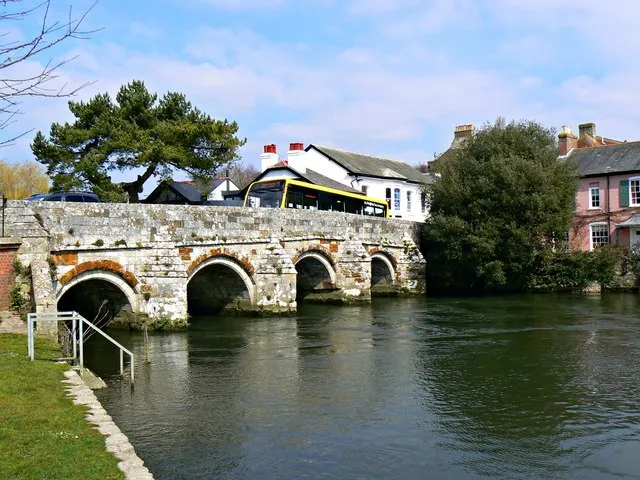
Photo: Brian Robert Marshall , CC BY-SA 2.0, via Wikimedia Commons
A good seaside day trip has three parts: sea air, a decent lunch and a rummage for something small and shiny. The last part is where Sand & Sparkles comes in. Across the UK, coastal towns are full of independent jewellers making sea-glass pendants, shell-inspired studs and recycled-silver bangles that feel like the beach without looking like a souvenir shop. This is not a treasure hunt for the cheapest trinket. It is a slow trail for people who would rather come home with one piece they will actually wear.
How to use this trail
Pick one or two towns, not five. Check opening hours before you go—many independent studios shorten hours in winter and close on Mondays. Bring a reusable pouch for your finds and a note of the maker's name. If you are buying a gift, ask for a care card and a gift receipt. And remember: the best pieces often sit in small galleries, harbour studios and maker-led shops rather than the main tourist drag.
Cornwall: St Ives and Porthleven
St Ives is the obvious stop, and for good reason. Behind the postcard harbour, there are independent galleries and studio shops showing sea-glass jewellery, hammered silver and shell motifs. Porthleven is quieter but worth the detour for maker-led spaces near the harbour. Look for recycled sterling silver, Cornish sea glass and pieces with a slightly wonky, handmade finish. This is also a good place to buy a gift that feels personal without being fussy.
Pembrokeshire: St Davids and the little lanes
St Davids has a small-city feel and a strong craft streak. The lanes around the cathedral are good for independent shops, and you will often find makers using local sea glass, pebbles and recycled metal. If you want something shell-inspired, look for cast pieces rather than mass-produced charms. The scale here suits everyday necklaces and studs—the kind of thing that works with a jumper and a raincoat.
Ceredigion: Aberaeron's harbour-side sparkle
Aberaeron is a neat little harbour town with painted houses and a relaxed pace. It is a good stop if you want jewellery shopping without the St Ives crowds. Seek out small galleries and maker studios with sea-glass studs, silver bangles and simple chains. Ask where the sea glass comes from. Some makers use locally collected glass; others source it carefully. Neither is wrong, but the answer tells you something about the piece.
Suffolk: Southwold's genteel sea-glass hunt
Southwold feels like a seaside town that has never had a bad hair day. The high street and side lanes have independent shops, and the beach hut aesthetic carries into the jewellery: pale sea glass, shell shapes, soft silver. It is a good place for gifts—think a delicate necklace for a friend or a pair of shell studs for someone who misses the coast. Check for hallmarks on silver and ask about plating if the price seems too good.
North Yorkshire: Whitby's jet, shells and recycled silver
Whitby has a strong identity: jet, abbey ruins, fish and chips and a proper windswept beach. Alongside traditional jet, look for contemporary makers using recycled silver and shell motifs. The town rewards a slow wander through independent shops rather than a sprint. If you are buying jet, ask about the source and care—it is softer than silver and needs its own pouch.
Northumberland: Alnmouth and the quiet coast
Alnmouth is small, but the surrounding coast is full of good stops. Look for galleries and studios in Alnmouth, Bamburgh and Seahouses that stock local makers. The aesthetic here is pared-back: recycled silver, pebble shapes, sea-glass charms and simple chains. It is a brilliant place to find a gift that does not shout. Bring a warm layer; the wind does not care that it is 2026.
What to ask before you buy
Is it sterling silver, solid gold or plated? If it is plated, how thick is the plating? Where does the sea glass come from? Is the setting glued or claw-set? Can I have a care card? Will it tarnish? A good maker will answer without drama. A vague answer is not necessarily a red flag, but it is a reason to slow down.
Gifting notes for a seaside find
A coastal piece makes a lovely gift because it carries a place. Write the town and date on the card. Ask the maker to wrap it if they offer that service. If you are buying for someone who does not wear jewellery often, choose studs or a simple chain over a big statement piece. If you are buying for yourself, buy the thing you would wear on a normal Tuesday, not just on the day you bought it.
The small-business bit
Independent makers are not a cheaper version of the high street. They are the reason these towns have character. Buy within your budget, ask questions, and do not haggle over a £30 pair of studs. Sign up to the maker's newsletter if you like their work. And if you find something lovely, tell people where you got it. That is how a seaside day trip turns into a piece you keep.