From Glass Case to Beach Bag: Reworking Inherited Jewellery for Everyday Coastal Wear
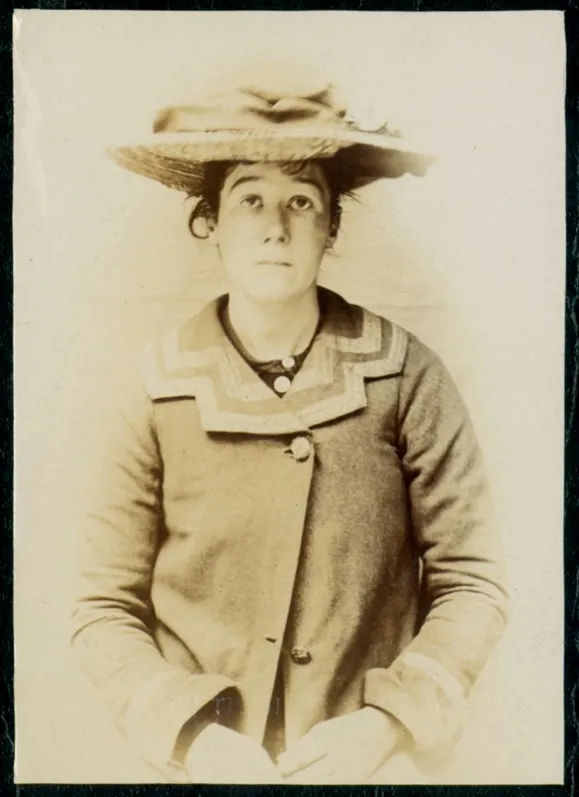
Photo: Tyne & Wear Archives & Museums, No restrictions, via Wikimedia Commons
There is a particular kind of guilt that comes with inheriting jewellery. It sits in a box, wrapped in tissue, and every time you open it you hear a small voice saying: you should wear this. But the brooch is enormous, the ring is the wrong size, and the chain looks like it belongs to a different decade. The good news is that inherited pieces do not have to be museum exhibits. With a little thought — and a good bench jeweller — they can become the most personal things in your coastal wardrobe.
Start with the story, not the sparkle
Before you reach for the silver cloth, spend ten minutes with the piece. Who wore it? When? Was it a wedding gift, a holiday buy, something saved up for? Look at the back of a brooch, the inside of a ring, the clasp of a necklace. Engravings, repair marks and tiny scratches are part of the object’s history, and they should shape what you do next.
Take a photo of each piece as it is. If you are sorting a whole jewellery box, label the photos with names and dates. This sounds fussy, but it makes the decisions easier later. You are not just deciding whether you like something. You are deciding what part of the story you want to carry forward.
The keep, reset, release question
Most inherited collections divide neatly into three piles.
The first is wear as is. These are the pieces that already suit your life — a simple gold chain, a pair of small studs, a slim bangle. Clean them, check the clasps, and put them into rotation immediately.
The second is worth reworking. This is where the brooches, heavy rings and slightly formal pieces land. They have good materials and sentimental weight, but the format is wrong for windy walks and layered knits.
The third is archive or pass on. Not everything has to be worn. A fragile piece, a duplicate, or something that simply is not you can live in a small box and come out at family occasions. If you decide to release something, offer it to relatives first, then consider a specialist vintage jeweller or a charity shop with a jewellery counter. There is no rule that says keeping means wearing every single day.
Cleaning delicate metals without panic
Old jewellery is often dirtier than it looks, but it is also more fragile than it looks. Start gently. Warm water, a drop of mild washing-up liquid and a soft baby toothbrush will lift most grime from gold, silver and platinum. Rinse well and dry thoroughly with a soft cloth. A silver polishing cloth is fine for plain silver, but go easy around engraving and oxidation — that dark patina is often what gives an old piece its character.
Avoid home dips and ultrasonic cleaners on pearls, opals, turquoise, amber, coral and any glued stones. Pearls especially dislike chemicals and prolonged soaking. If a piece has loose stones, a wobbly hinge or a suspect clasp, do not wear it until a jeweller has checked it. Salt air and sand are hard on delicate settings, so if you plan to wear an inherited piece near the sea, rinse it in fresh water afterwards and dry it fully before storing.
Working with a UK jeweller
For resets, look for a bench jeweller rather than a general high street shop. You want someone who can show you examples of their work and talk through options without pushing the most expensive route. Ask about hallmarking, too. In the UK, many metal items above certain weights must be hallmarked by an assay office, and a reset can affect that. A good jeweller will explain whether your piece needs re-hallmarking and what that involves.
Get a written quote before work begins. Ask them to keep the original fittings — the pin back of a brooch, the old clasp, any removed stones — so you have the option of reversing the change later. Discuss metal matching openly. Old rose gold, for example, may not match a modern chain exactly, and that is often part of the charm rather than a flaw.
Budget realistically. A reset can cost more than the piece is worth on paper. That is fine if the value is sentimental, but go in with your eyes open. A simple pendant conversion is usually less expensive than a full ring rebuild, and a modest repair can sometimes make a piece wearable again for a fraction of the cost.
Three resets that suit a coastal wardrobe
A brooch is the classic candidate. A jeweller can add a removable bail so it can be worn as a pendant on a fine chain or a length of velvet ribbon, while keeping the pin intact. It looks good against a chunky knit, a denim jacket or a beach cover-up, and it sits close enough to survive a breeze.
A ring with a slim shank can become a charm or pendant. If the stone is the star, a bezel setting on a short chain makes it feel modern and secure. If the ring is too fragile to resize, this is a kind way to keep it in use without risking the band.
Earrings are worth a quiet upgrade. Replace heavy hooks with secure posts and proper backs, or have a jeweller convert clip-ons into studs if the design allows. Small, close-fitting earrings are the ones that actually get worn on coastal days — under scarves, over turtlenecks, through wind and drizzle.
What to leave alone
Do not reset everything. Keep at least one piece exactly as it is, even if it lives in a drawer. The unaltered object holds the original story, and future generations may want to see it. Also leave alone anything with fragile enamel, hairwork, or unusual materials that a jeweller warns you against touching.
The everyday test
Before you commit to a change, wear the piece around the house for an afternoon. Pair it with the coat you actually wear, the scarf you actually reach for, the bag you actually carry. Does it catch? Does it feel like you? Coastal style is relaxed, but it is not careless. The best inherited pieces are the ones that feel easy enough for a Tuesday walk and special enough for a Sunday lunch by the sea.
The goal is not to make Grandma’s jewellery look new. It is to make it look like yours — and to let it see the sea.