Silica, Flock and a Dry Shelf: Building a Jewellery Drawer That Beats Sea Air

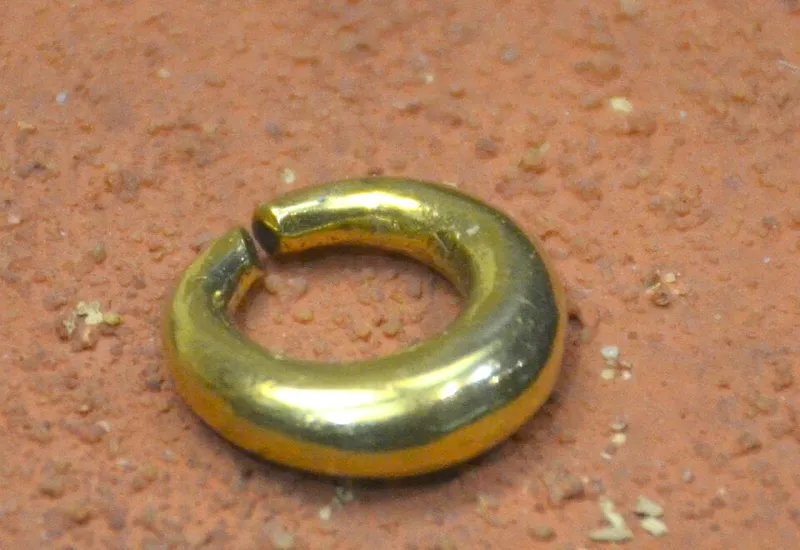
Photo: Sujithshivam511, CC BY-SA 4.0, via Wikimedia Commons
Anyone who lives near the coast knows the tell-tale signs. The bathroom mirror fogs from the outside. The salt grinder clumps. And the silver earrings you wore on Friday come out of the drawer on Tuesday with a faint yellow-brown haze across them.
Sea air is lovely for the complexion and quietly dreadful for jewellery. Humidity, salt and airborne sulphur compounds speed up tarnish and dull plating far faster than inland air does, which is why a storage setup that works perfectly well in Leeds can fail completely in Brighton. Here is how to build a drawer that gives your pieces a fighting chance.
What Sea Air Is Actually Doing In There
Tarnish is a chemical reaction, and moisture is its enabler. Add salt, which is mildly corrosive, plus sulphur compounds from wool, rubber bands, cardboard and some paper linings, and you have a small, slow reaction chamber masquerading as a bedroom drawer. Silver goes dark or yellow. Vermeil dulls at the edges first, where the gold is thinnest. Plated costume pieces lose their shine and start to show copper at the high points. Steel and PVD are largely unbothered, which is why they are such good coastal workhorses.
Pearls are the exception to every rule here — they like a little humidity and hate drying out, so keep them away from silica and out of direct sun. Store them in a soft pouch in a normal drawer and wear them often; the natural oils in your skin do them good.
1. The Pouch: Small, Sealed, One Piece Each
A zip pouch lined with tarnish-inhibiting cloth is the single most useful thing you can buy. One piece per pouch, sealed, labelled if you are organised. The sealed part matters more than the brand: a pouch that lets air in and out is just a bag.
Never store two different metals touching. Silver and copper-plated costume jewellery in the same pouch will encourage each other to misbehave. And do not store silver in tissue paper for months on end — some papers contain sulphur, and you will find the pattern printed on your jewellery.
2. The Lined Box: Choose Flocked, Not Felt
A proper jewellery box is worth it, but choose the lining with care. Felt can hold onto sulphur and moisture; a flocked or tarnish-inhibiting lining does the opposite. Look for individual compartments so pieces cannot scratch each other, and a lid that actually closes flush.
Then put the box somewhere sensible. A drawer in a bedroom is ideal. A windowsill is not. A bathroom shelf is the worst place in the house — every shower adds a little steam to the air around your rings.
3. Silica Sachets: Cheap, Boring, Effective
One sachet per box is usually enough; two in a big box in a damp flat. The little indicator beads that turn from orange to green are worth paying a bit extra for, because otherwise you will never know when to recharge them.
Recharge by drying the sachet gently — a low oven, an airing cupboard or a warm radiator for an hour — once a month or so. Keep them out of direct contact with pearls and leather, and swap them out entirely every year or two.
4. The Wall Hook: Lovely to Look At, Rubbish for Silver
Hanging necklaces on a pretty pegboard is one of the great joys of a dressing table, and for gold-filled, steel and PVD pieces it is perfectly fine. For sterling silver, it is a slow sentence: dust, humidity, sunlight and salt all working together, plus the extra weight on the chain.
If you love the display look, hang your everyday steel and gold-filled pieces and keep the silver and vermeil in the drawer. Put the hooks away from windows and never in the bathroom. And rotate the display every few weeks so nothing hangs for a whole year.
5. The Habits That Do Most of the Work
- Wipe before storing, not after. A quick pass with a dry soft cloth removes skin oils and salt before they can set up camp.
- Never store anything damp. A ring that has been in the sea needs a fresh-water rinse and a proper dry — not a quick rub on a towel.
- Keep the drawer shut. It sounds silly until you notice how much faster things tarnish in an open tray.
- Dehumidify the room, not just the drawer. A small dehumidifier in a coastal bedroom pulls double duty for your jewellery and your window frames.
- Aerate on dry days. Ten minutes with the window open on a crisp, low-humidity morning does more good than any gadget.
- Do a ten-minute monthly check. Take everything out, look for tarnish, dulled plating, loose clasps and stretched chains. Small problems are cheap to fix and expensive to ignore.
A Metal-by-Metal Cheat Sheet
Sterling silver: sealed pouch or tarnish-inhibiting lined box, plus a silica sachet. Polish with a silver cloth, not a liquid dip.
Vermeil: individual pouch, minimal handling, no abrasive cloth. Check the edges and the clasp first — that is where it goes.
Gold-filled: forgiving. Pouch or hook, either is fine. Rinse after salt water and dry thoroughly.
PVD-coated steel: the easy one. Store anywhere dry; it will outlast most of your other pieces.
Costume and plated brass: individual pouches, no moisture, no perfume contact, and accept that plating has a lifespan. Wipe every wear.
Pearls: soft pouch, no silica, no plastic bags, away from direct heat and sun.
Opals and porous stones: normal humidity is fine, dry drawers are not. Keep them with the pearls rather than with the silver.
The Ten-Minute Monthly Reset
Once a month, tip the whole lot out onto a towel. Wipe, check, recharge the silica, and put back only what you actually wear. It is a small ritual — a rainy Sunday job with a cup of tea and the radio on — and it will keep your coastal collection brighter than any single purchase you could make. Sea air is going to do what sea air does. Your drawer does not have to help it.