The Metal Test: Sterling, Vermeil, Gold-Filled and PVD on a Salt-Air Diet
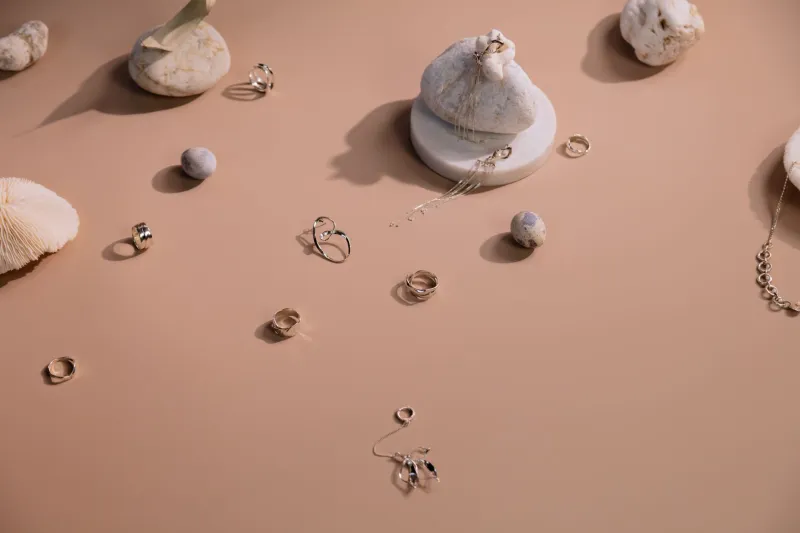
There is a particular kind of optimism in buying a pretty pair of earrings for a seaside weekend. You picture bare feet, a linen shirt, maybe a glass of something cold on a harbour wall. You do not picture the same earrings six weeks later, looking tired and slightly grubby in the bottom of your jewellery dish. Yet that is the reality for a lot of coastal jewellery: salt air is charming until it meets a cheap plating.
So let us talk metals. Not in a lab-report way, but in the way you actually need to know before spending your money. Whether you are after a everyday hoop you can wear from desk to beach, or a sparkly piece for a special summer supper, the metal underneath the shine matters more than the shine itself.
First, the difference between the metal and the finish
A lot of jewellery shopping is really finish shopping. You see a warm gold colour and assume gold; you see a bright silver tone and assume silver. In reality, many pieces are a base metal — brass, copper, stainless steel — with something else on top. That top layer is what you are paying for, and it is what decides how the piece behaves when it meets sunscreen, chlorine and sea spray.
The base metal is not automatically the villain. Stainless steel, for example, is sturdy and affordable. But a thin flash of gold over brass will not last forever, especially if you wear it in the water. Knowing what you are buying helps you match the piece to the job.
Sterling silver: the reliable coastal classic
Sterling silver is 92.5% pure silver, usually mixed with copper for strength. It is the metal most of us picture when we think of coastal jewellery — cool, bright and easy to wear with sea glass, shells and a striped tee. It also sits at a sensible UK high-street price point, generally from around £20 for a simple stud to £80 or more for a heavier chain or a small maker's piece.
The catch is tarnish. Sterling silver reacts to sulphur in the air — and coastal air, lovely as it is, is not a tarnish-free zone. It can darken in a drawer, especially in humid weather, and chlorine and sunscreen will dull the surface if you leave them on repeat. The good news is that sterling is forgiving. A soft polishing cloth will usually bring it back.
If you are a swimmer or you live close to the sea, think of sterling as the piece you wear often but rinse after salty days. It is not fragile, but it does appreciate a quick fresh-water rinse and a dry before it goes back in the box.
Gold-filled: the quiet overachiever
Gold-filled jewellery has a thick layer of gold bonded to a base metal, usually brass. In the UK, it is often marked as 14k gold-filled or 12k gold-filled. It is not the same as gold plating: the gold layer is much thicker and mechanically bonded, so it stands up to daily wear far better. It is also usually a few steps above cheap plating in price — perhaps £35 to £120 for a necklace or a pair of hoops, depending on the maker.
For coastal living, gold-filled is a strong middle ground. It copes with sunscreen and everyday humidity better than a thin plate, and it keeps its colour for longer. It is not indestructible — chlorine is still not its friend, and abrasive sand will wear anything down over time — but it is a practical choice if you want a warm gold look without solid-gold prices.
One honest note: gold-filled is not solid gold, and it will not last forever if you treat it like a wetsuit. But for a piece you wear through spring and summer, rinse and dry, it earns its place.
Vermeil: beautiful, but read the small print
Vermeil is sterling silver with a layer of gold plating — usually at least 2.5 microns of gold in the UK and US definitions. It sounds posh because it is, a little. You get the weight and quality of sterling silver with a warm gold finish, and it looks lovely with a tan and a white cotton dress. Prices often run from around £50 to £150 and up, especially for demi-fine brands.
Vermeil is not the same as gold-filled, and it is not solid gold. The plating can wear at high-friction points — the back of an earring, the clasp of a bracelet, the edge of a pendant — and chlorine will speed that process up. Sunscreen is not a disaster, but it can leave a film, so rinse and dry after a beach day. If you want a piece for occasional coastal evenings and city dinners, vermeil is gorgeous. If you want something for daily sea swimming, be realistic about the plating.
PVD coatings: the practical modern option
PVD — physical vapour deposition — is a coating applied to stainless steel or other base metals. It is tough, scratch-resistant and often used for watches and everyday jewellery. In the coastal context, PVD is the one that tends to shrug off salt air and sunscreen best. It is also usually affordable, often £25 to £70 for a pair of earrings or a chain.
Is it heirloom jewellery? No. But it is a very sensible choice for pieces you actually want to live in: a simple chain for beach walks, a pair of huggie hoops for swimming, a bracelet you never take off. The colour can eventually wear at edges after a lot of hard wear, but for the price and the ease, it is hard to beat as a coastal workhorse.
What about solid gold?
Solid gold — usually 9ct or 18ct in the UK — is the long-game option. It does not tarnish, it is fine to wear in the sea, and it can last for decades. It is also expensive, and a thin solid-gold chain can still be delicate. If you are buying one piece to wear every single day, solid gold is a lovely investment. If you are building a holiday jewellery wardrobe, the other metals make more financial sense.
How to care for coastal jewellery without turning it into a chore
The rule is simple: rinse, dry, store. After a day at the beach or a swim, rinse your jewellery in fresh water and pat it dry with a soft cloth. Do not use harsh cleaners on plated pieces. Keep pieces separate so they do not scratch each other, and avoid leaving them in a steamy bathroom. Sunscreen and perfume are best applied before jewellery goes on, not after. And if a piece does start to dull, a jeweller's polishing cloth is often all it needs.
The bottom line for 2026
Buy the metal that matches the life you actually live. Sterling silver for everyday coastal cool, gold-filled for a warm tone that can take more wear, vermeil for occasions and careful days, PVD for proper beach-friendly practicality. The sea is a wonderful backdrop for sparkle — just give your jewellery a fighting chance and it will keep shining long after the sand has been shaken out of your shoes.